
In the business world, we often hear financial terms like EBITDA, ROIC, sales, TSR, exceptional items, and more. For many entrepreneurs, these concepts may sound abstract or even intimidating. Yet, they are essential for understanding how a business is performing, how it compares to competitors, and where it is heading.
In this educational series, we will explore key financial concepts through the journey of Shaï, a passionate young entrepreneur who is learning to better understand and manage her company’s numbers.
- What Are Sales?
Sales refer to all the activities and processes involved in selling goods or services to customers.
This includes promotion, negotiation, closing transactions, and ensuring customer satisfaction.
Sales are the primary source of revenue for any business. Without them, a company cannot cover expenses, invest in growth, or pay its employees.
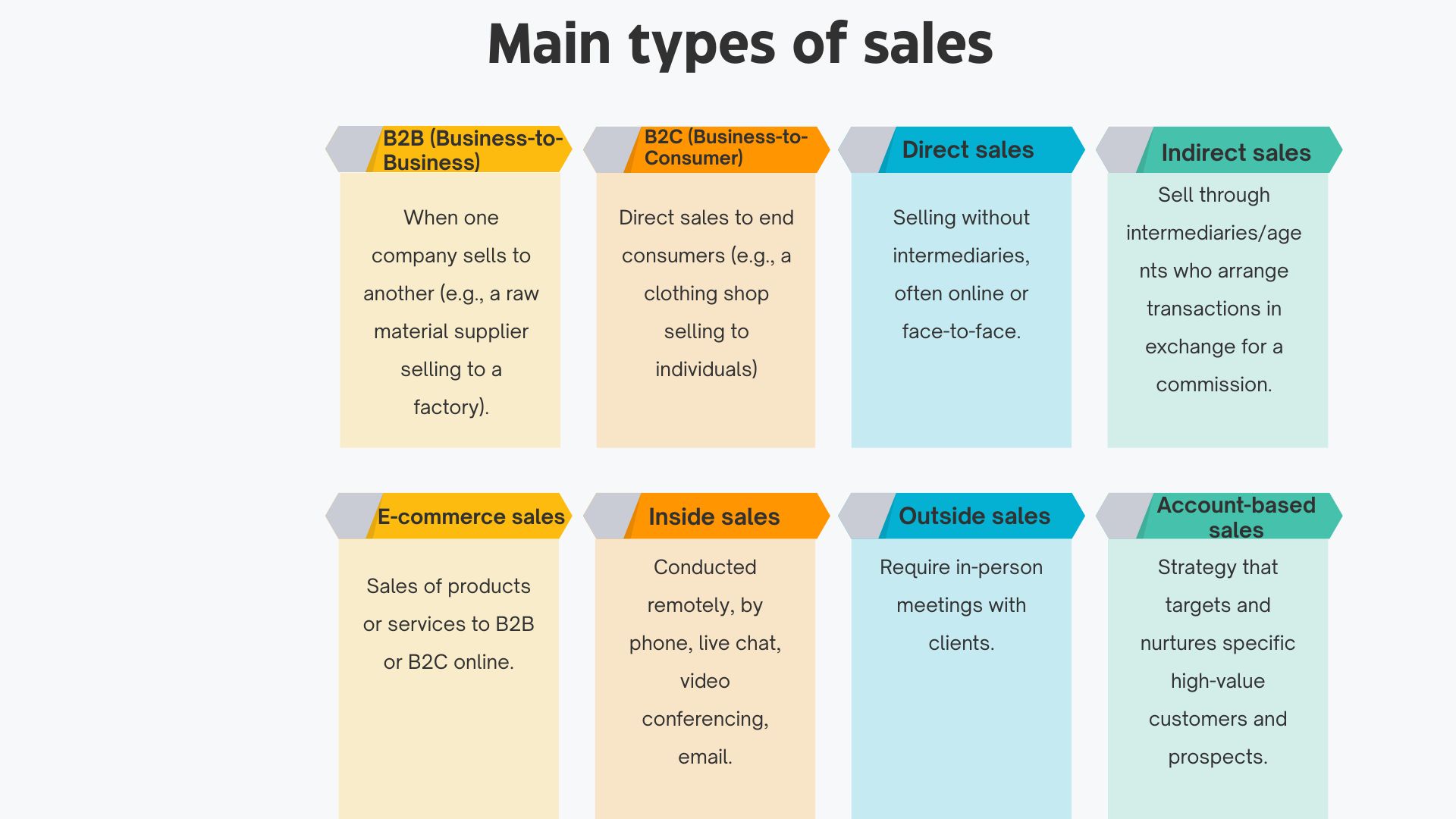
- Main types of sales include:
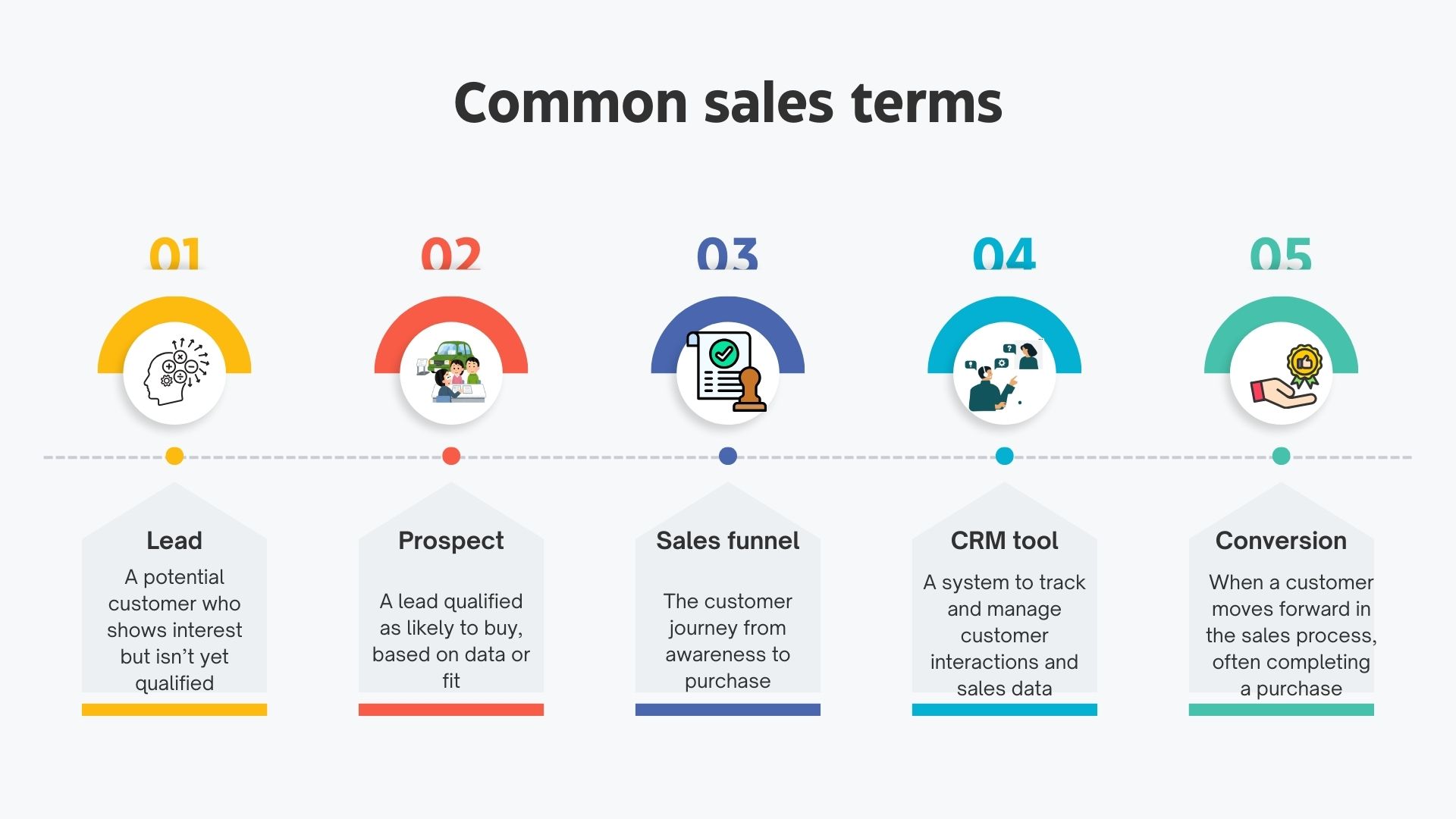
- Common sales terms:
Shaï’s Experience
Shaï runs a small natural cosmetics business. She loves creating new products, but she quickly realized that creativity alone doesn’t pay the bills, she needs to sell.
Why are sales vital for her?
- Revenue generation: each cream or oil she sells brings in money to pay suppliers, employees, and reinvest in new product development.
- Market penetration: by increasing her sales, she makes her brand more visible, attracts new customers, and retains loyal ones.
- Customer feedback: through conversations with buyers, she learns about their preferences, improves her formulas, and adapts her offer.

How does Shaï manage her sales?
- Direct sales: at trade fairs and through her online shop, where she interacts directly with customers and shares her story.
- Wholesale: she also partners with spas and specialty shops that buy in bulk.
- Branding and marketing: Shaï highlights the natural and ethical aspects of her products, builds engaging content on social media, and nurtures a loyal community.
For Shaï, sales are the bridge between her passion for creating cosmetics and the long-term success of her business.
Conclusion
Sales are not just numbers on a financial statement. They represent a company’s ability to transform effort, creativity, and strategy into real revenue that ensures sustainability.
In the next article, Shaï will explore another key financial indicator.