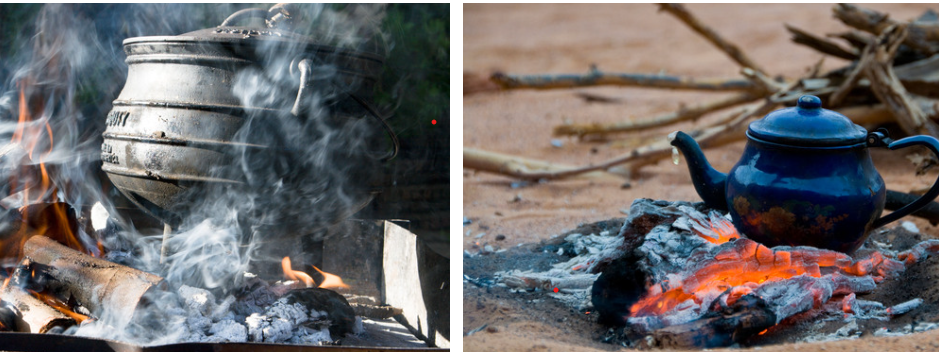
In the Sahel and semi-arid regions of Africa countries such as Mali, Niger, Burkina Faso, Chad, and Mauritania daily cooking remains a challenge. Most households still rely on firewood and charcoal, not by choice but by necessity. With high poverty levels and limited access to gas, families often spend hours each day searching for wood or buying charcoal, a burden that falls mostly on women.
The Daily Realities of Women
Cooking with firewood and charcoal is more than just an inconvenience:
- Time lost: Women and girls spend hours collecting firewood — time that could otherwise be used for education, entrepreneurship, or rest.
- Health risks: According to the WHO, household air pollution from burning biomass causes over 600,000 premature deaths annually in Africa, with women and children the most exposed.
An Ecological Crisis
In the Sahel, where trees are already scarce, reliance on firewood and charcoal accelerates deforestation and desertification. The FAO estimates that nearly 90% of harvested wood in Sub-Saharan Africa is used as fuel. In regions already vulnerable to climate change, this trend threatens ecosystems, food security, and the resilience of communities.
The Power of the Sun
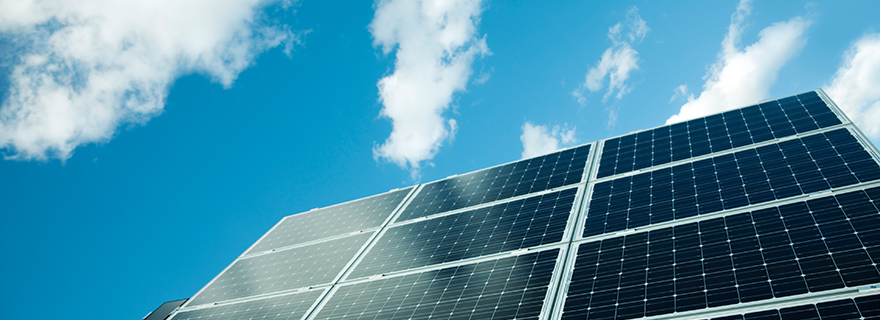
Ironically, these same regions are blessed with some of the highest levels of solar irradiation in the world. With 5 to 7 kWh/m²/day of solar potential, the Sahel is perfectly suited for solar-powered cooking solutions.
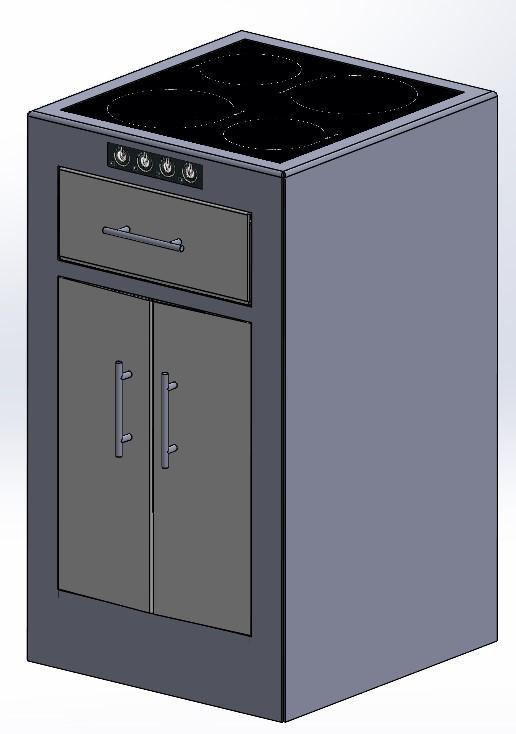
A solar cooking plate could be a game-changer:
Economic relief: reduces household spending on charcoal or gas.
Clean energy: no smoke, no toxic emissions.
Health benefits: protects women and children from household air pollution.
Environmental impact: reduces deforestation and helps combat desertification.
A Call for Collective Action
The development of such solutions should not remain an isolated idea but rather be supported by entrepreneurs, NGOs, governments, and investors. With the right commitment and resources, this innovation can become a tangible reality on African markets.
For me, the satisfaction lies in imagining the day when solar cooking plates will be widely available in Sahelian households, offering women healthier lives, preserving the environment, and paving the way for sustainable development.
Comparison of energy sources used for cooking in the Sahel region
| Energy Source | Accessibility | Household Cost | Health Impact | Ecological Impact | Sustainability |
|---|---|---|---|---|---|
| Firewood | Widely available, locally collected | Free if collected, but very time-consuming; purchasable in bundles | Toxic emissions, respiratory illnesses, frequent burns | Major deforestation, biodiversity loss | Not sustainable |
| Charcoal | Easily available in urban areas | Relatively expensive, heavy financial burden | Heavy smoke, respiratory illnesses, fire hazards | High contributor to deforestation and CO₂ emissions | Not sustainable |
| Gas (Butane) | Available in cities, rare in rural areas | High cost (regular purchase of cylinders) | Cleaner than firewood/charcoal but risk of explosions | Transportation and distribution polluting | Sustainable if subsidized |
| Solar Cooking Plate | Dependent on solar panel access | Initial investment, but free thereafter | No smoke, improved health for women and children | No deforestation, clean renewable energy | Highly sustainable |